
Patagonia forever
Our commitment to Torres del Paine

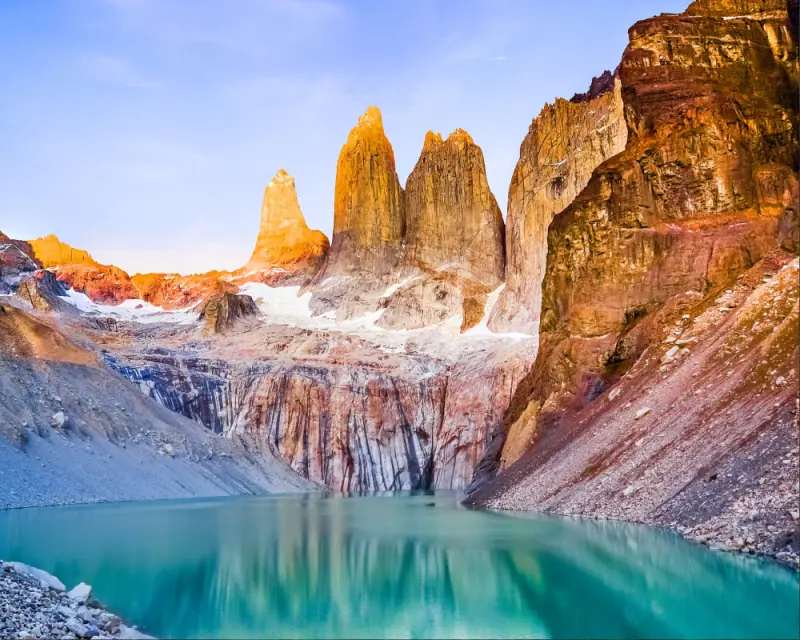
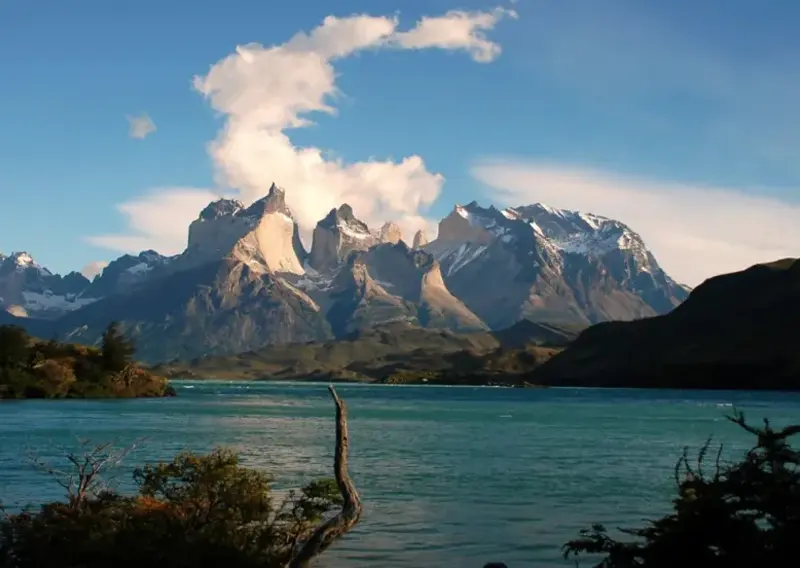
Few places on Earth stir the senses like Torres del Paine: the wind pushing clouds across the granite horns, the impossible blue of the glaciers, the silence of the steppe broken only by a passing guanaco.
Why does sustainability matter so much here?
Recent history proves it. In late 2011, a major fire swept through nearly 17,000 hectares of the park, sparked by the careless burning of a roll of toilet paper. A small gesture, an enormous consequence. That wound is still visible in the landscape and reminds us that there is no such thing as a minor oversight here.
The pressure of popularity
Torres del Paine is now one of the most sought-after natural destinations in the world, and that brings challenges. In the 2024–2025 season, the park welcomed more than 380,000 visitors, most of them from abroad. More people means more footsteps on the trails, more waste, greater demand for water and energy, and more risk to wildlife.
That is why authorities regulate visitor flow. Since May 1, 2026, a new fee system has been in place, introduced by CONAF to manage the flow of people and reduce environmental impact in a park facing growing pressure during the high season.
Entry passes must be purchased through the Pases Parques platform, which also provides information on opening hours and access conditions. Respecting these limits is not an inconvenience: it is what keeps the experience authentic, quiet and wild.
The legal framework protecting Patagonia
Water: the visible treasure and the invisible threat
Waste: what goes in, comes out
Fire: zero tolerance
CONAF rules and recommendations
Mandatory registration
Entry to the park requires mandatory visitor registration. On arrival, everyone signs a document listing the rules to be followed on the trails.
Reservations for stays
Without an accommodation reservation, you may not spend more than one day on the W Trek or the Paine Circuit. CONAF is authorized to expel anyone without one.
Camp only in designated areas
Overnight stays anywhere outside of the officially designated and prepared camping areas are strictly prohibited.
Stay on the trails
Walking off-trail causes severe erosion and irreparable damage to the slow-growing Patagonian flora. Never leave the marked paths.
Respect wildlife
Do not touch animals, never feed them and do not interfere with their natural behavior. Observe guanacos, condors and pumas from a respectful distance.
Get informed
Learn about the park before your visit. Weather changes in minutes, and some routes close in winter or require accredited guides.
The legal framework protecting Patagonia
- Law 19.300 on General Environmental Principles.
- The Forest Law (amended by Law 20.653), which strictly regulates the use of fire.
- Law 20.920 on Extended Producer Responsibility and recycling.
Institutional transition
Law 21.600 created the Biodiversity and Protected Areas Service (SBAP). Although passed in September 2023, the service began operating in February 2026. Starting in March 2027, it is expected to take over management of the national parks currently overseen by CONAF. In the meantime, CONAF remains the authority in charge of the park.
Our promise
We ask the same of you: walk with respect, leave only footprints and take nothing but memories.